

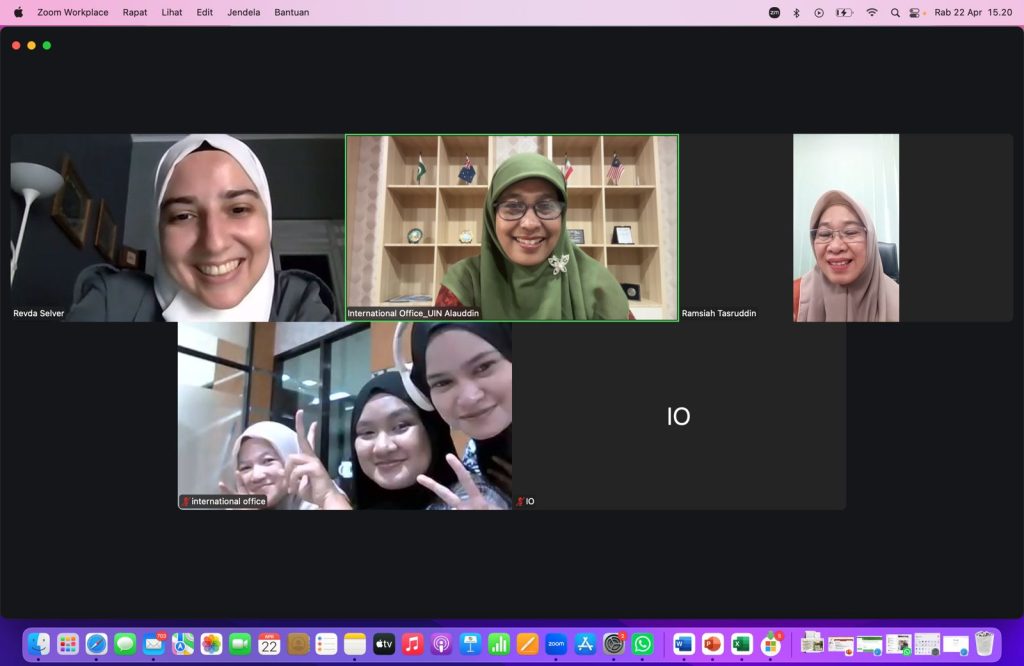
Makassar, April 22 & 28, 2026 — The International Office (IO) successfully conducted the interview phase of the international student selection process. This activity is a crucial step in evaluating prospective students who had previously passed the administrative screening.
The interviews were conducted in a structured and professional setting, with the aim of assessing the candidates’ academic readiness, communication skills, and ability to adapt to a cross-cultural environment. This process also provided an opportunity for the International Office to better understand each prospective student’s motivation for pursuing higher education in an international academic setting.
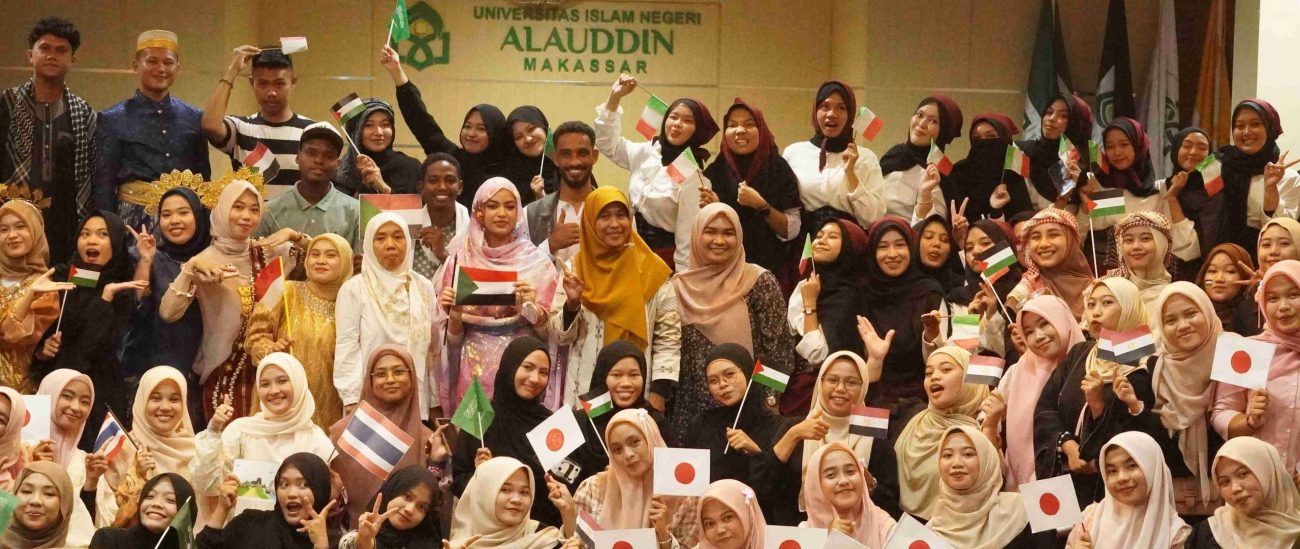
This year, the International Office received applications from various regions, reflecting the institution’s expanding global reach. The selected candidates who advanced to the interview stage hailed from various countries, including Pakistan, Bangladesh, Nigeria, Sudan, and Bosnia. This geographic diversity underscores the institution’s commitment to fostering an inclusive and multicultural academic community.

During the interview session, candidates were evaluated by a panel consisting of academic representatives and the head of the International Office, Dr. Serliah Nur, M.Hum., M.Ed. The panel focused on key indicators such as academic potential, clarity of goals, and the ability to make a positive contribution to diversity on campus.
The International Office emphasizes that this selection process is designed not only to identify academically outstanding students, but also individuals who demonstrate intercultural awareness and the ability to thrive in a global learning environment.
The results of the interview stage will be announced in the coming days. Successful candidates will proceed to the final stage of the admission process, which includes document verification and registration procedures.
Through this initiative, the International Office reaffirms its commitment to attracting high-quality international students and strengthening global academic collaboration.