

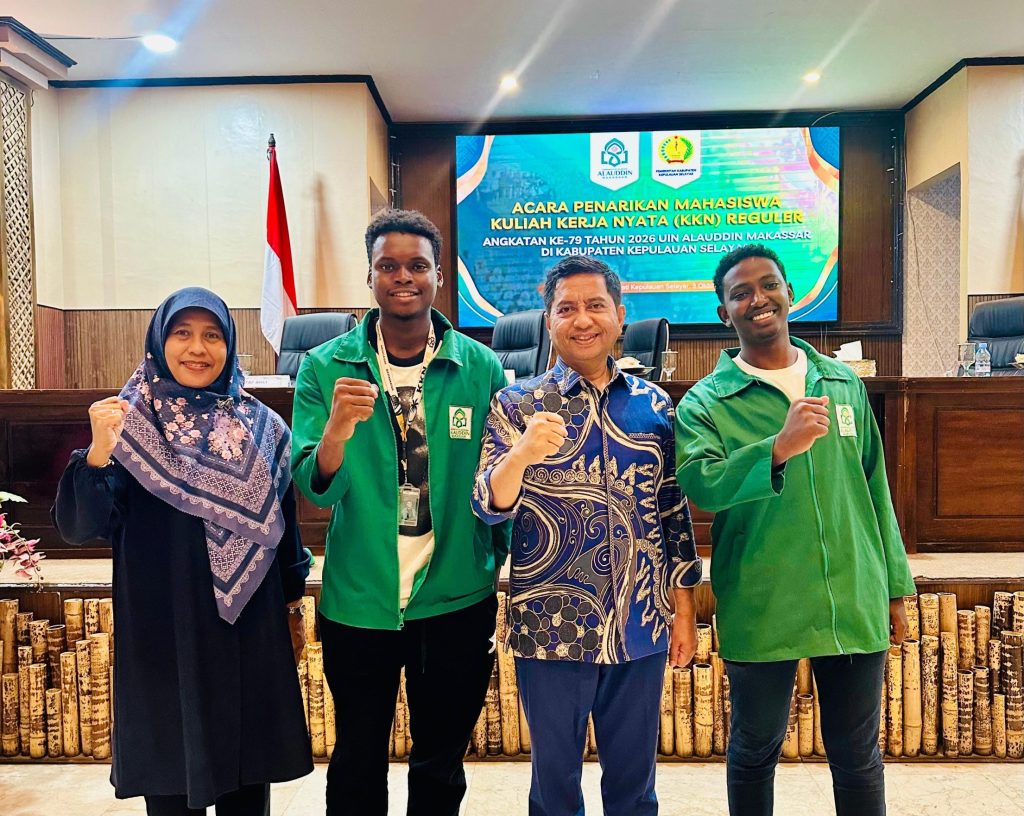
Selayar, 3 October 2026 — Two international students from Sudan at Universitas Islam Negeri (UIN) Alauddin Makassar, Muzamil and Nassir, officially completed their participation in the university’s Community Service Program (Kuliah Kerja Nyata/KKN) in Selayar Islands Regency on Saturday, 3 October 2026. The official release ceremony was held at the Ruang Pola, Selayar Regent’s Office, marking the conclusion of their community-based academic experience in the region.
The ceremony was attended by the Rector of UIN Alauddin Makassar, Prof. Drs. Hamdan Juhannis, M.A., Ph.D.; the students’ supervisors, Prof. Dr. Hj. Djuwairiah Ahmad, M.Pd., M.TESOL, and Prof. Dr. Azman Arsyad, M.A. ; as well as the Head of the International Office, Dr. Serliah Nur, M.Hum., M.Ed.
Muzamil and Nassir are students of the Informatics Engineering program at UIN Alauddin Makassar. During the KKN program, Muzamil was assigned to Laiyolo Village, while Nassir was stationed at Post 1 in Patilereng Village.
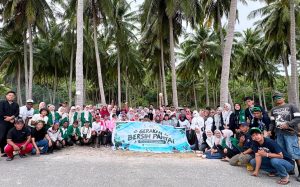
Throughout the program, the two international students actively engaged with local communities through various educational, religious, and environmental activities. Their contributions included teaching at local schools, supporting religious activities, assisting with mosque maintenance, cleaning beaches and surrounding areas, and teaching Arabic and Qur’an reading to local children.
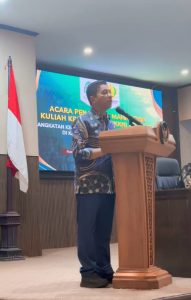
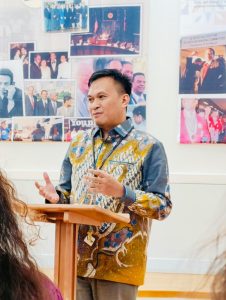
In his remarks, Rector Prof. Hamdan Juhannis emphasized the importance of maintaining the reputation and values of UIN Alauddin Makassar when students engage directly with the community.
“Protect the good name of our alma mater, and be mindful of our actions. Since the beginning, UIN has always been sustained by the community. So when you go among the people, that is the true face of UIN,” he said.
He further highlighted KKN as an important platform for students to engage directly with society through education, religious activities, and community service. Such experiences enable students to contribute to local communities while developing a deeper understanding of social life and the responsibilities associated with representing the university.
Head of the International Office, Dr. Serliah Nur, expressed her appreciation for the successful participation of the two international students.
“We are grateful that both students were able to complete the program successfully. Through this experience, they not only learned about Indonesian culture and society, but also contributed directly to the communities where they were placed. We hope that they will continue to carry the values and experiences they gained at UIN Alauddin Makassar and become ambassadors of the university in their respective home countries,” she said.
For Muzamil, the KKN program offered a new and meaningful experience, particularly as it was his first opportunity to live and interact closely with a rural community in Indonesia.
“It was my first time living in a village. It was comfortable, clean, free from traffic, and surrounded by beautiful beaches,” Muzamil said.
Meanwhile, Nassir described his participation in the program as a memorable learning experience that broadened his understanding of Indonesian society and culture.
“I learned a lot about Indonesian society and culture, as well as how to work and interact with other people,” he said.
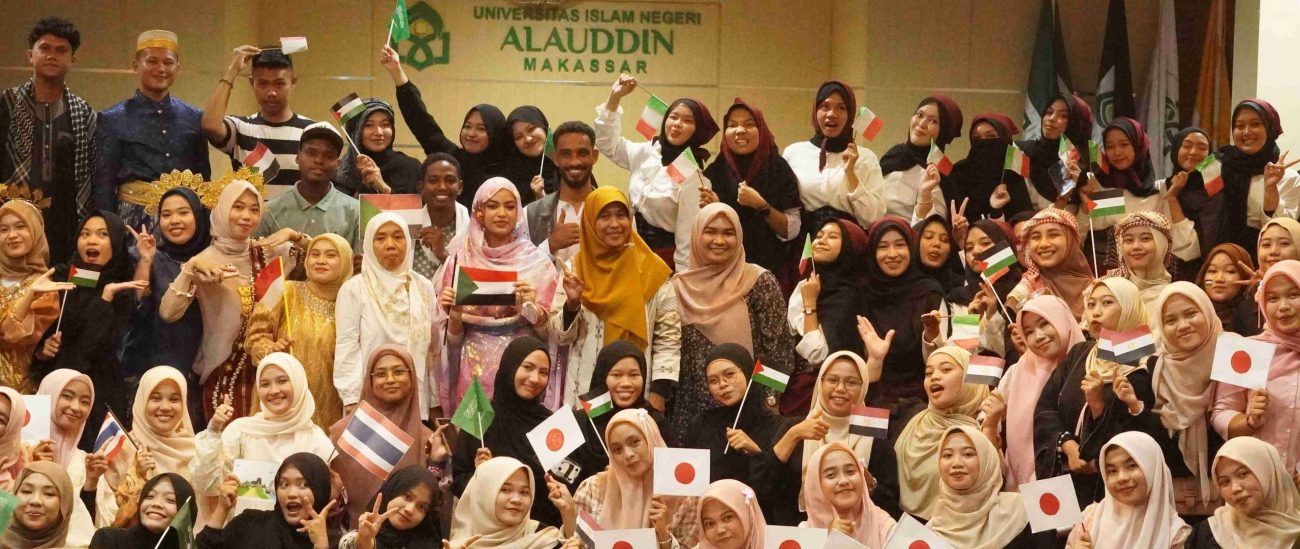
The participation of international students from Sudan in the KKN program reflects UIN Alauddin Makassar’s continuing commitment to strengthening the international dimension of its community engagement programs. Beyond serving as an avenue for community service, the program provided Muzamil and Nassir with an opportunity to experience Indonesian society firsthand, develop intercultural understanding, and establish meaningful connections with local communities.
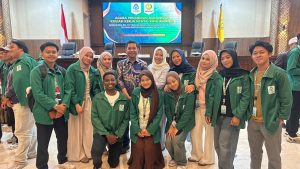
Through programs such as KKN, UIN Alauddin Makassar continues to promote internationalization not only through academic mobility and institutional partnerships, but also through direct engagement between international students and Indonesian communities. The experience of the two students in Selayar demonstrates that community service can become a meaningful space for mutual learning, cultural exchange, and social contribution, while strengthening the relationship between the university, its international students, and local communities.